Supporting the National Year of Reading 2026


The Importance of Representation in Children’s Books by Ella McLeod
When I was growing up there were very few protagonists in the stories that I read, the films and TV shows that I watched, that looked like me. This was something I really internalised – black girls aren’t heroes of stories, black girls don’t have magic powers, black girls don’t get rescued by handsome princes. None of this was ever said explicitly and yet it was reiterated everywhere I looked.
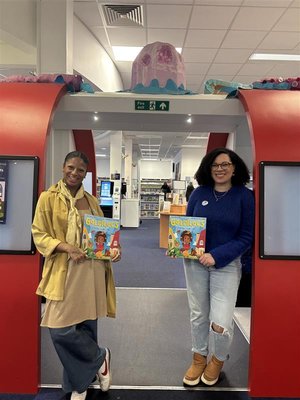
Goldilocks felt like a natural diving in point for a children’s book; it’s an imperfect story and therefore ripe for re-imagining. Naturally I started with her hair, changing the story so that her name is linked to how she presents herself – her golden beads, her golden smile – as opposed to something tied to genetics or race. And so, she is Goldilocs, with her afro hair in locs instead of coiled in golden locks and with this came the opportunity to tell a story about creativity and curiosity, pulling the original story apart in order to ask, how can I represent my readers better? What gift can I give them here?
Representation is important to children; it matters that they see themselves as capable of being heroes, of being princes and princesses and witches and accomplishing great daring feats. Stories are how we understand the world and children’s stories play a uniquely significant role in their development, taking them to new places, introducing them to new people and ideas. Last year, the literacy charity Inclusive Books for Children published its annual Excluded Voices report and revealed “stark inequalities” in UK children’s publishing. According to The Bookseller: “The 2025 report, which surveyed books published in 2024 for readers aged one to nine, found that only around 6% of books featured marginalised main characters and just under half (49%) of those were created by authors or illustrators from those groups.”
I think a lot about these statistics. It makes me really sad. It is often said that You Can’t Be What You Can’t See. This isn’t entirely true, of course, you can be whatever you want. But if a young person wants to boldly go where few who look like them have gone before, it requires truly visionary thinking. And it is grossly unfair to me that marginalised kids should have to be visionaries where others are able to conceive of their dreams as inevitabilities. As a child, if I wanted to imagine myself as a fairy or a princess or a hero it was tinged with the unexpected, the unlikely. The very idea of a black mermaid felt subversive. I would like to say things have changed but having seen the anger Halle Bailey was met with when she was cast as The Little Mermaid and having read the above article, I think it is clear that we have not, perhaps, come as far as we’d like to think.
As an avid consumer of all things to do with magic it’s easy to see how the lack of representation led me to believe that there wasn’t a place for me in these worlds. This was a real shame. Not only because it felt like I was being told again and again, to quote Elphaba “I’m limited”, but also because it presented limitations to a genre which should really be limitless. How can we have talking bears and magic spells and all sorts of weird and wonderful things but such a stark lack of diversity? Surely within the fairy tale and fantasy space, our imaginations can do better? Surely our kids deserve better?
Ella McLeod is a writer/performer and graduate of Warwick University, where she was awarded a 1st class BA in English Literature with Theatre and Performance Studies. She has worked as a spoken word poet and actress, notably in Bible John. She is also a writer of YA books including Rapunzella and The Map That Led To You.
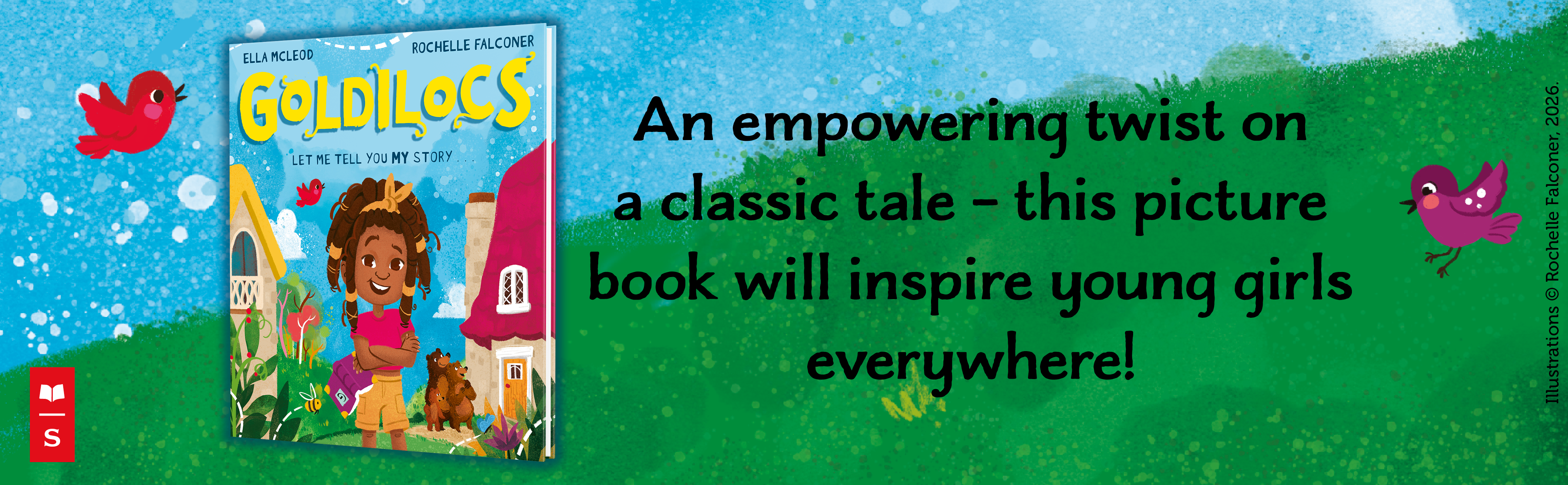
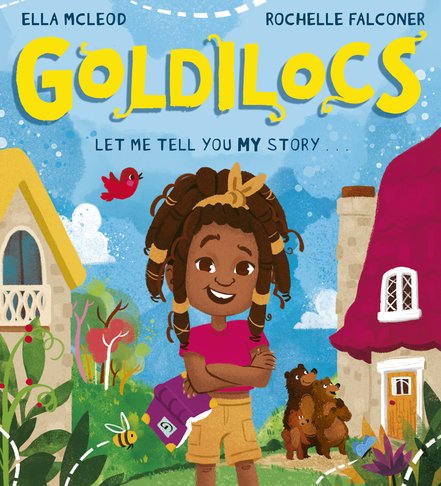
Goldilocs
An empowering twist on a classic tale – this picture book will inspire young girls everywhere!
There are just three things that a girl can be…
A Witch should brew potions, but Goldilocs would rather make porridge.
Plus, an Evil Queen doesn’t build her own throne.
As for a Princess waiting for a prince…that just sounds BORING!
When Goldilocs tries to be the things she’s told a girl should be, she finds that none of them quite fit. But with help from some unexpected friends, Goldilocs learns that being herself is what matters most.
- Retold with rhythm and rhyme, Ella McLeod’s retelling breathes new life into the classic story
- Rochelle Falconer’s cheeky illustrations will both empower and delight little readers
- Older readers will love Rapunzella and The Map That Led To You by Ella McLeod
Similar Posts
-
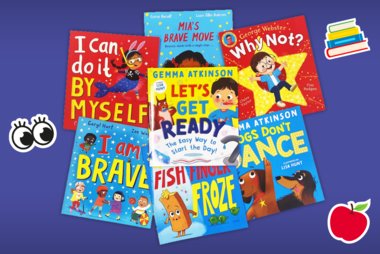
Let’s Get Ready for Gemma Atkinson and Lisa Hunt’s latest picture book!
Gemma Atkinsons newest picture book, Let’s Get Ready, is a practical, humorous guide to getting school ready. Featuring some nifty hints and tips to help brushing teeth, getting dressed, washing hands and much more.
-
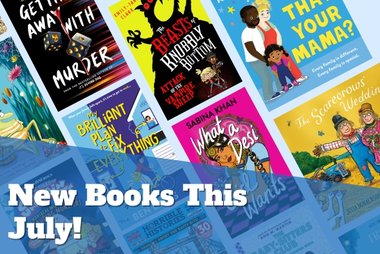
New books this July!
Discover this month’s new books, spanning family favourites, heartwarming picture books, gripping thrillers and stories of self-discovery!